IDI Farmaceutici has a long history of care and assistance to the sick, rooted in Christian commitment to people and their suffering.
1857
THE ORIGINS
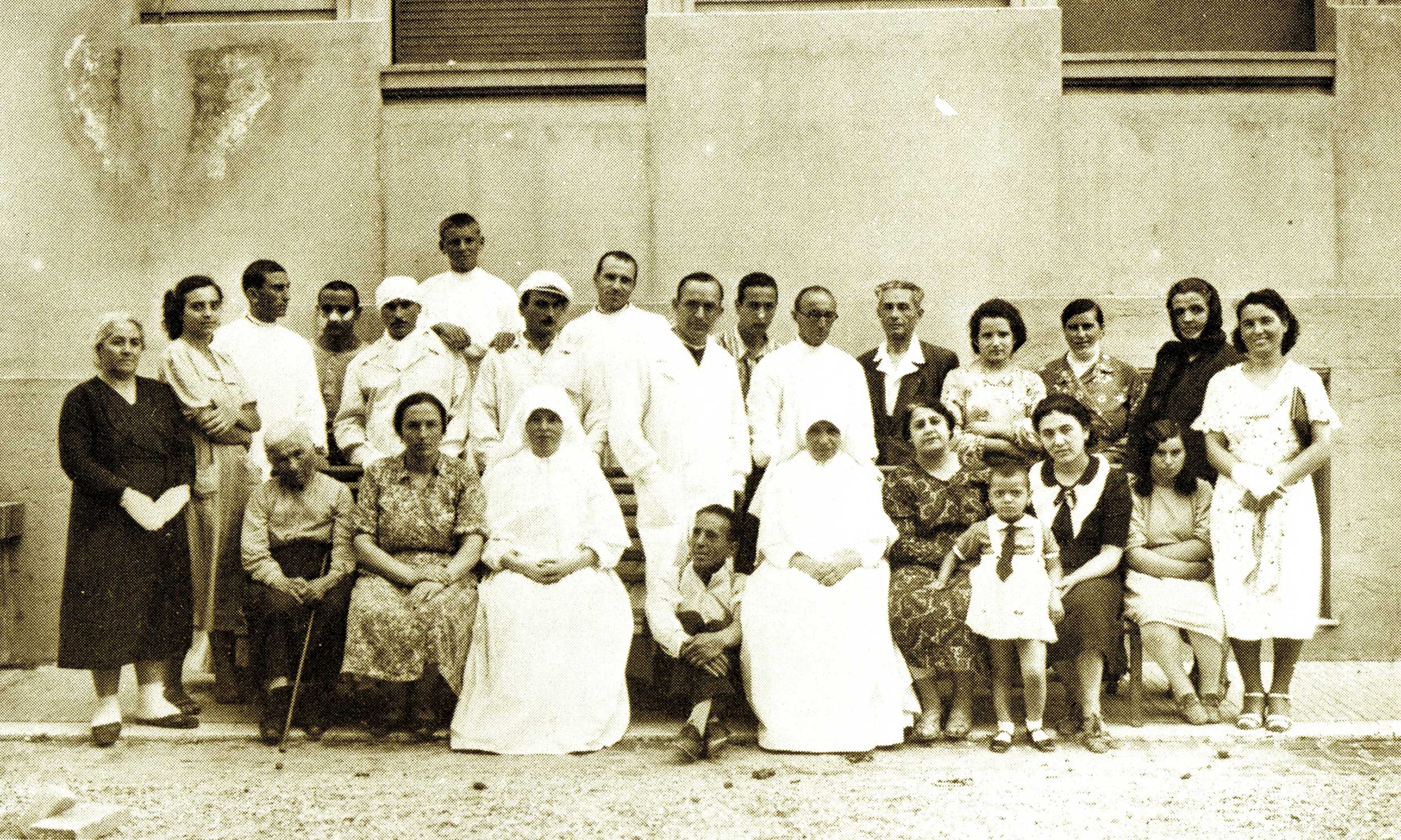
The history of IDI Farmaceutici began in the mid-nineteenth century. It was during those years that a religious man, Father Luigi Maria Monti, found himself working in the Brescia lazaretto during a cholera epidemic. Deeply affected by that experience and having meanwhile moved to the capital, in 1857 he founded the congregation of the Sons of the Immaculate Conception with the aim of offering assistance and care to the sick.
At that time, the religious members of the congregation settled north of Rome, in the “clay hills” area, where they began to dedicate themselves to treating skin diseases that were very widespread due to the poor hygienic conditions of the time.
1907
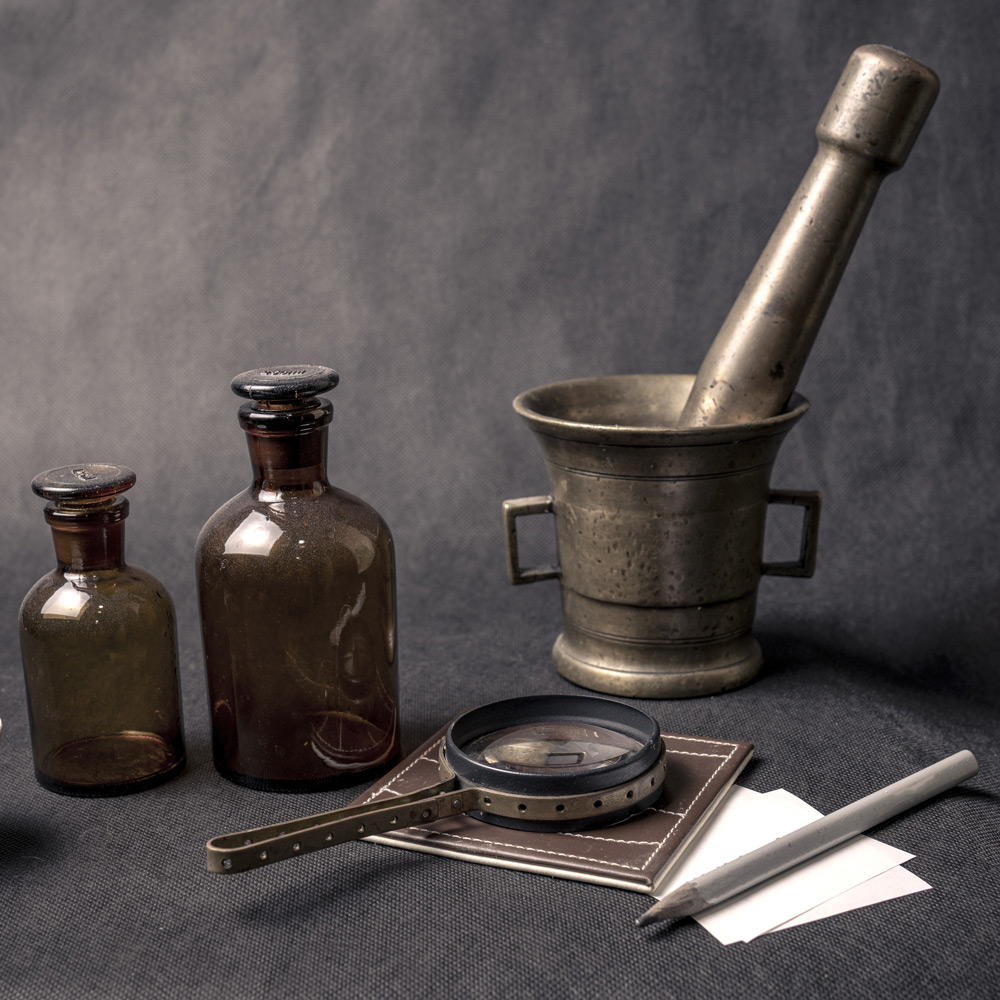
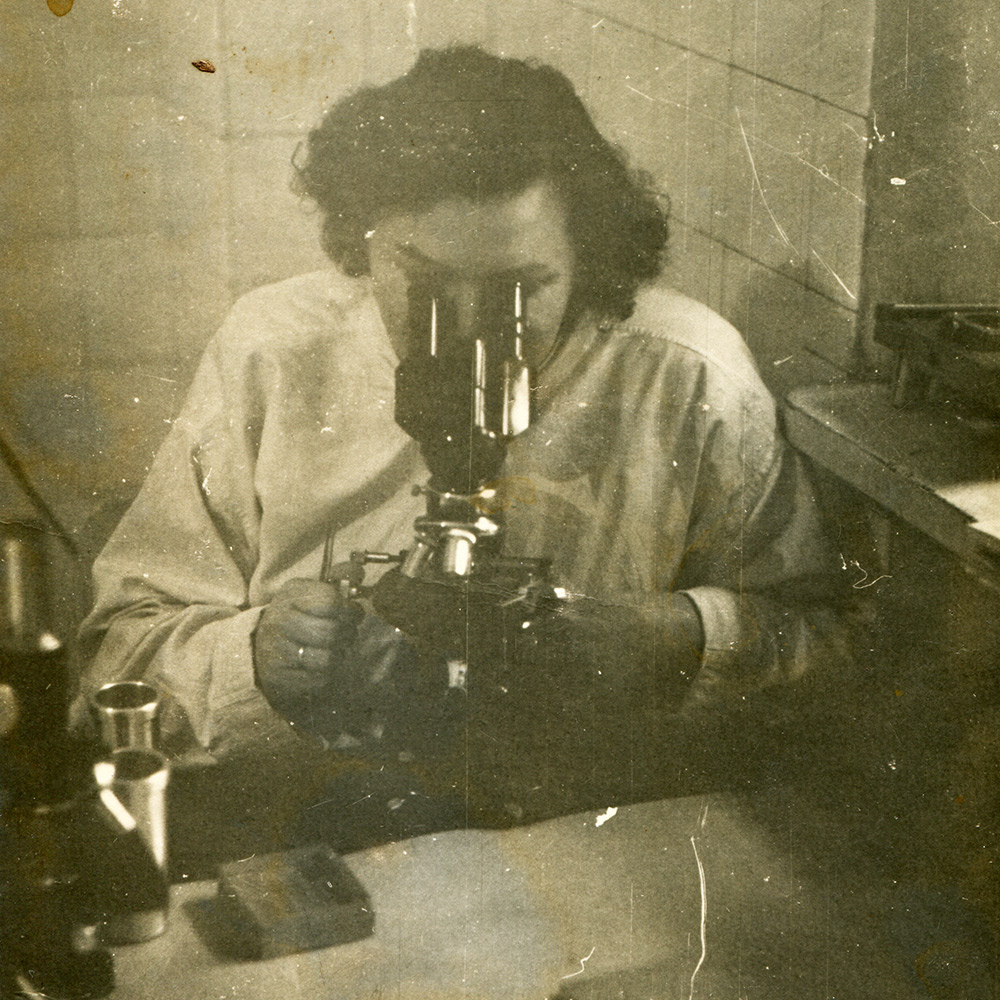
Thanks to advances in science and the spread of the microscope, another religious member of the congregation, Father Antonio Lodovico Sala, succeeded in formulating the first topical preparations for treating ringworm, which was then very widespread. Subsequently, other galenic preparations were developed that made it possible to treat more and more diseases. It is precisely in the small laboratory where Father Sala and his brothers studied and produced ointments for their patients that the first nucleus of what over 150 years later would become an enterprise of international importance can be identified.
1912
A prefectural decree authorized Father Antonio Lodovico Sala to manage a “health house” for people suffering from skin diseases. This officially recognized the public utility of the care work undertaken, which in fact marked the beginning of the first hospital.
1925
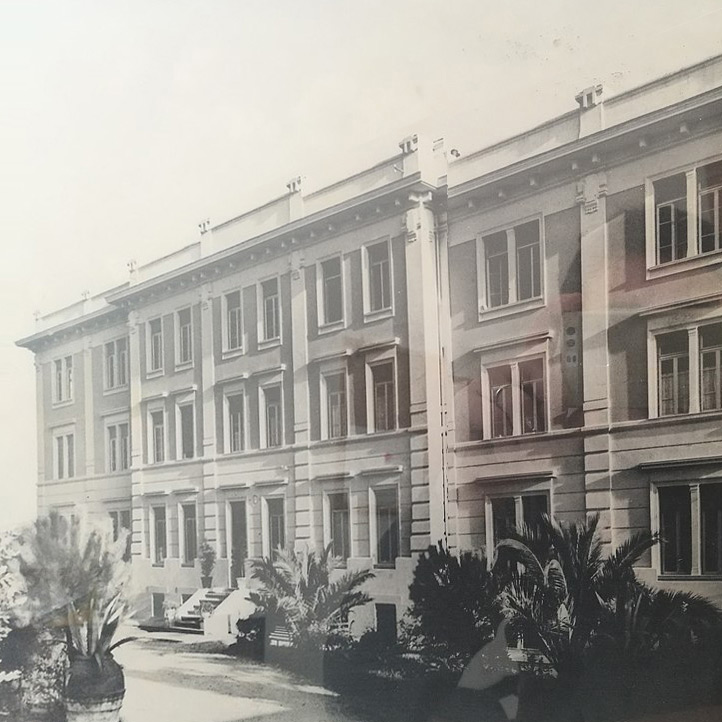
The Holy See also officially recognized the importance of the Congregation’s mission and facilitated the construction, by Father Sala, of the first pavilion of the Sanatorium on Via Monti di Creta. Alongside the clinical facility, the activity of the research laboratories also expanded, whose drugs and preparations began to be increasingly known and requested by the population of Rome and surrounding areas and—more and more often—by that of other regions.
1931
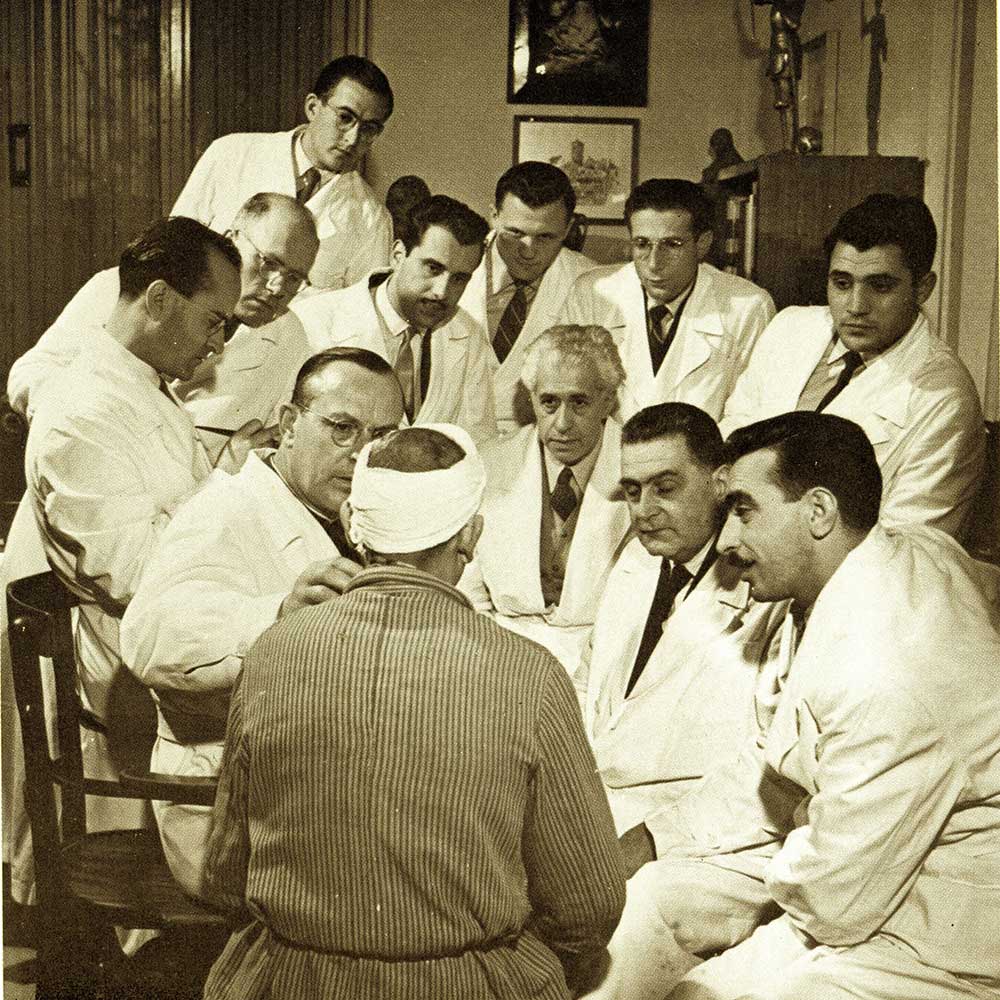
Emanuele Stablum—a doctor whom the congregation had asked to renounce the priesthood to dedicate himself exclusively to the clinical mission—would continue and extend Father Sala’s work.
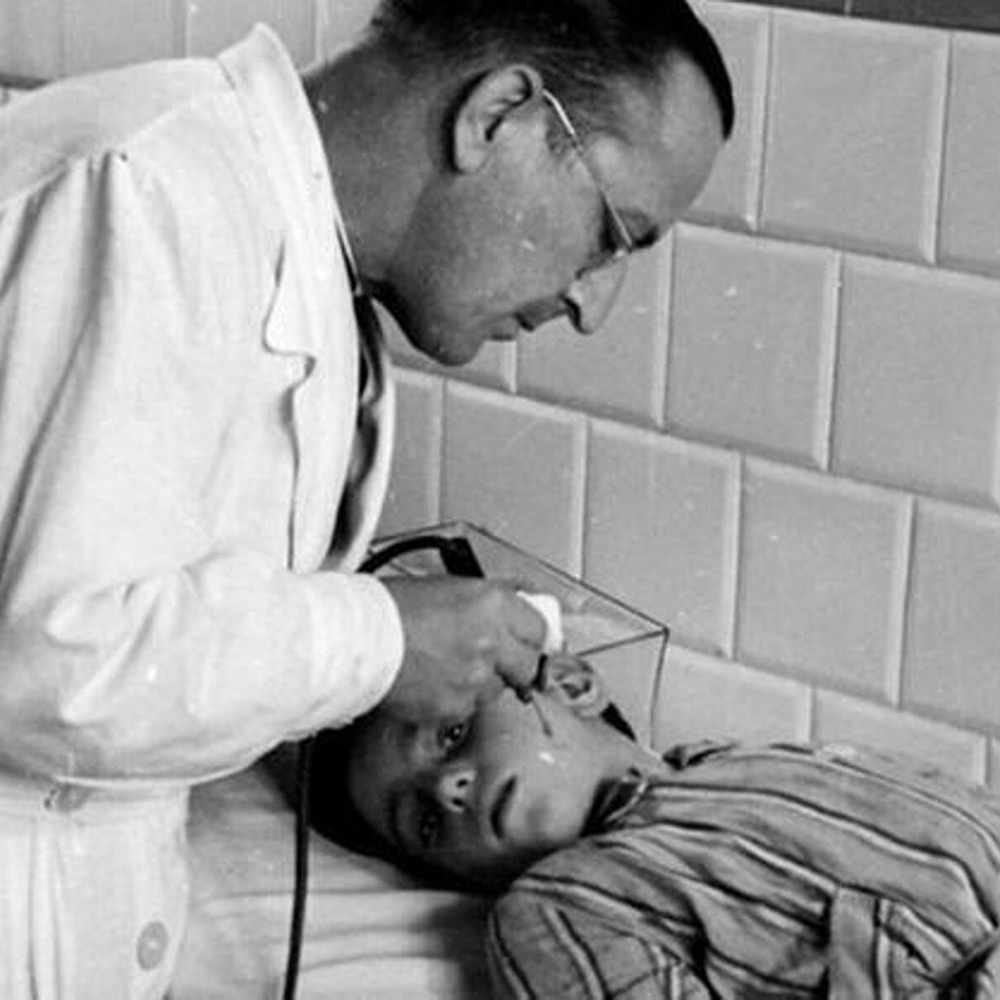
Stablum, applying innovative criteria, perfected the dermatological activity, giving IDI the characteristic of a “Dermatological Hospital” in a properly modern sense. During World War II, Jews persecuted by the regime found refuge at the hospital, and this earned Dr. Stablum recognition as “Righteous Among the Nations.”
1950
Prof. Rino Cavalieri gave new impetus to the institute’s research activity after the slowdown suffered during World War II. The scientific activity and the role assumed by the Hospital at a now national level earned the institute the qualification of “specialized regional hospital” for Dermatology. At the same time, the development of research in the pharmaceutical field proceeded.
1966
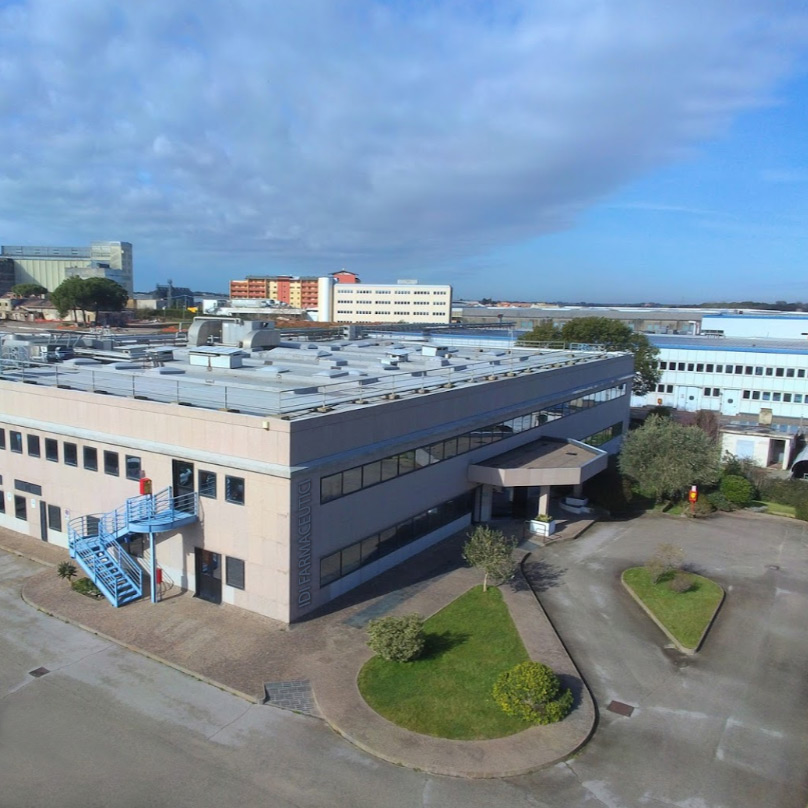
The breadth of requests and the reputation enjoyed by the Institute and its research laboratories now required a specialized structure for pharmaceutical production.
Thus, in Pomezia—
an emerging industrial hub south
of Rome—the first nucleus of the
IDI Farmaceutici plant was inaugurated.
1970-1990
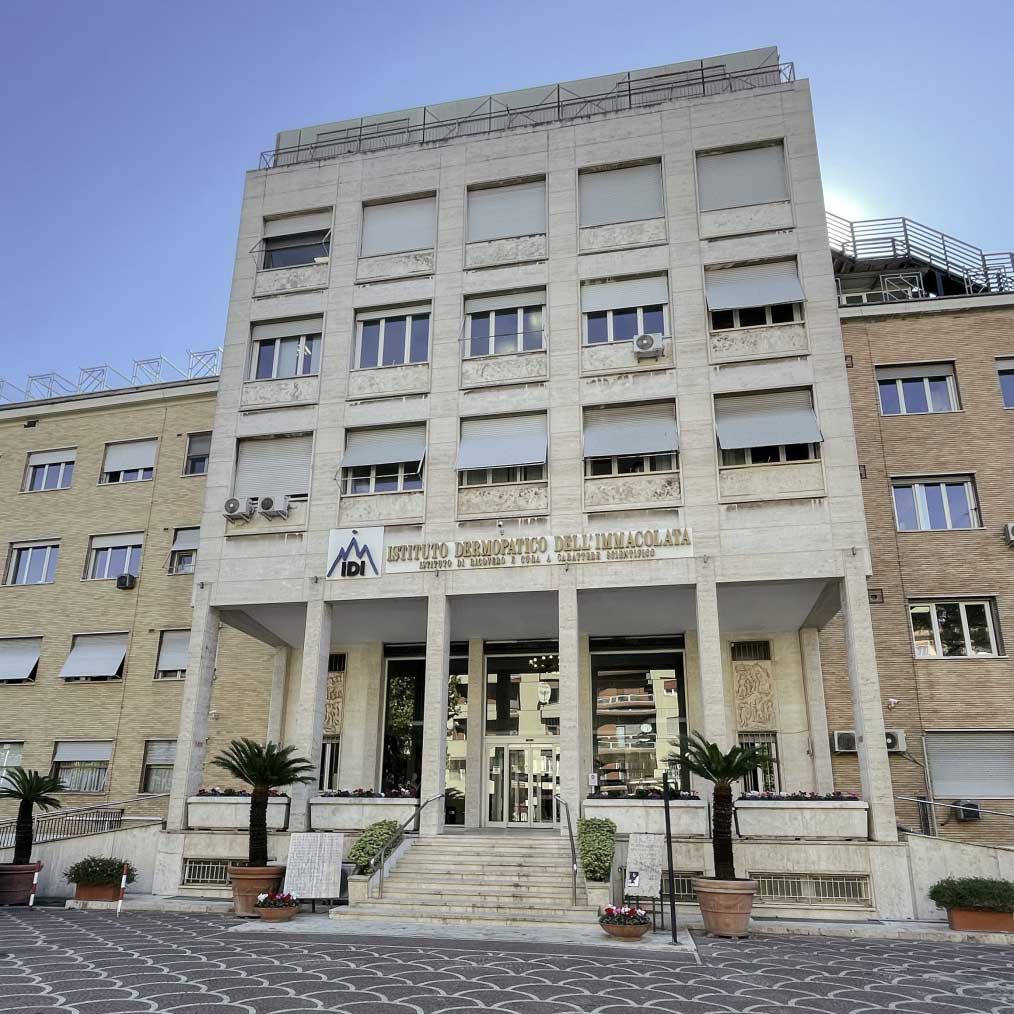
The two decades of the ’70s and ’80s of the last century saw the synergistic evolution of the hospital center and the production facility in Pomezia, IDI Farmaceutici. The Dermatological Institute of the Immaculate, thanks to its important scientific contribution in the dermatological field, became increasingly a reference structure in the Italian healthcare landscape. In 1990, in fact, it was granted recognition as a Scientific Institute for Research, Hospitalization and Healthcare (IRCCS).
1992
A second, new plant was inaugurated for the exclusive production of medicines, separate from the dermocosmetic sector. The facility fully met the quality and safety standards set by GMP protocols (Good Manufacturing Practice) which in those years underwent rapid scientific evolution and increasingly rigorous application in the clinical field.
1998
IDI headquarters expanded with the construction of a new complex designed to house the management and administrative center. The center also includes a state-of-the-art auditorium with hundreds of seats and equipped with the most sophisticated communication technologies which, over the years, in addition to company activities, has hosted meetings, seminars, and conferences of international importance.
2003
The company’s growth continued with the start of production of medical devices and supplements, a sector that has experienced unstoppable development since the beginning of the millennium and which finds in dermatology one of its prime areas.
2009
The group acquired the clinical and preclinical research center “Nerviano Medical Sciences MNS Group & Spa.”
2011
The multinational Merck&Co chose the IDI Group for an important collaboration agreement in the dermatological field.
The partnership involved research and development of molecules of great therapeutic importance such as oncolytics and antineoplastics, as well as programs in the field of tissue regeneration and cellular biotechnology. Cutting-edge studies aimed at leading to the creation of cell-based preparations for serious chronic degenerative diseases.
IDI, with its tissue engineering and cutaneous pathophysiology laboratory at the forefront of numerous research studies
on the skin, was the ideal partner for Merck&Co.
2013
Another important step in building the network of collaborations initiated by the IDI Farmaceutici group was the commercial agreement with the Italian companies Polifarma and Polifarma Benessere, which are part of the FINAL group. The collaboration deepened over the years with distribution agreements that allowed IDI Farmaceutici to have a widespread presence throughout Italy.
IDI consolidated its international dimension with a significant presence in the Balkans area, particularly in Albania and Kosovo, but also in Kazakhstan, Azerbaijan, and Georgia. It can also count on a long-standing partner in South Korea.
2021-2022
IDI Farmaceutici continued its partnership strategy successfully undertaken since the beginning of the millennium. New commercial agreements were signed with Theriaca for distribution in the hospital pharmacy channel throughout Italy. A significant agreement was then signed with Almirall Hermal GmbH for the licensing of important drugs in various dermatological areas.
Aware of the challenges posed by the development of new digital technologies and globalization, IDI Farmaceutici is attentive to market development not only at the national level but also at the European and extra-European level.
2023
An important partnership was established with Viatris for the licensing of a wide panel of drugs in the dermatological area. The joint venture with Viatris represents a further piece of a mosaic built by the IDI Group to interpret with dynamism and constant evolution its role in pharmaceutical research.